Geography
Caring Respect Empathy Courage Resilience
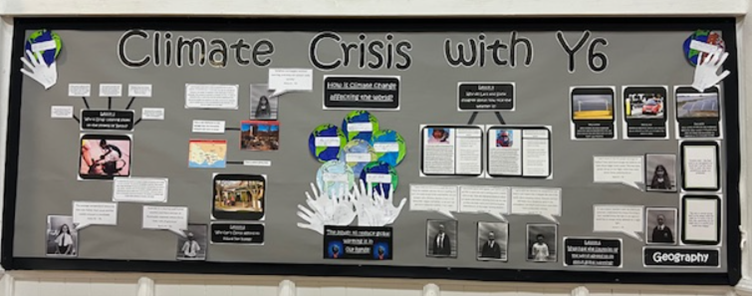
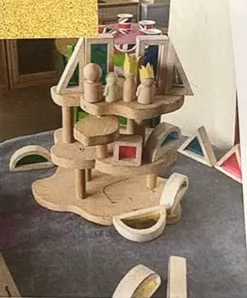

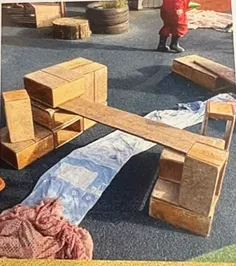
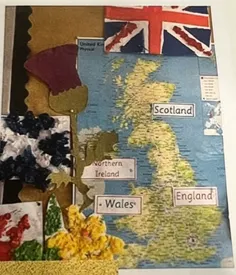
Geography Subject Leader: Mrs Richardson
Intent
Kapow Primary’s Geography scheme of work aims to inspire pupils to become curious and explorative thinkers with a diverse knowledge of the world – in other words, to think like geographers. The intention is for pupils to develop the confidence to question and observe places, measure and record necessary data in a variety of ways and analyse and present their findings. The scheme aims to build an awareness of how Geography shapes lives at multiple scales and over time. The hope is to encourage pupils to become resourceful, active citizens who will have the skills to contribute to and improve the world around them. The scheme supports teachers at Merton Bank in developing their subject knowledge and skills, enabling the delivery of engaging, well-informed lessons with confidence. The curriculum is designed to be both accessible and ambitious, ensuring all learners’ full participation and potential achievement.
How do Geography skills and knowledge develop at Kapow Primary?
This document outlines the development of Geography knowledge across all year groups, ensuring a clear pathway for pupil learning. Progression is broken down into the following key areas:
- Locational knowledge – naming and locating places and features from memory; using atlases, globes and maps.
- Place knowledge – developing a sense of the children’s place in the world; comparing and contrasting geographical areas to understand their characteristics and cultures; learning how places are interconnected and change over time.
- Human and physical geography – understanding the relationship between humans and the environment; exploring the Earth’s natural features and processes; considering the impact of human activity on settlements; learning about land use, trade and natural resources.
- Geography skills and fieldwork – using maps and diagrams; describing location and direction; planning and carrying out fieldwork enquiries.
Inclusion and diversity
Kapow Primary’s Geography scheme has been designed to represent a range of cultures and races.
- Where appropriate, colonial choices and their impact on geographical issues are explored.
- The scheme’s visual representation is inclusive and representative of a variety of people and places, challenging stereotypes or historical ideologies.
- Within sensitive units, questions have been included to support children’s lived experiences and backgrounds.
- Resources and case studies are carefully considered to encourage the children to think about their role in society and to respect the many ways in which people’s lives have been influenced.
The scheme supports children in appreciating the complexity of people’s lives, the diversity of societies and the relationships between different groups.
We love maps!
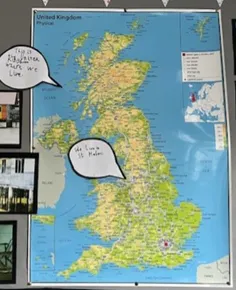
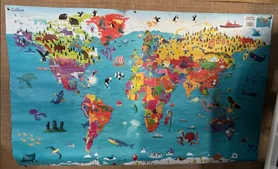
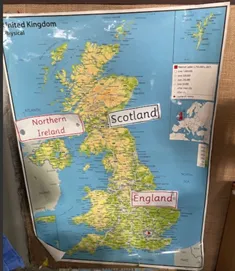
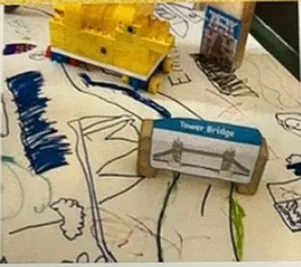
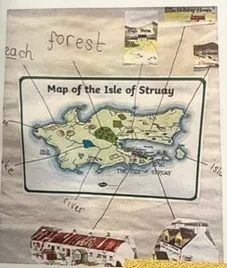
Maps can be found in every classroom in Merton Bank - a map is every Geographer’s most important tool! Maps help students to access geographical ideas and develop spatial thinking. Understanding maps is an important life skill, not just to aid navigation but to understand the world and how maps can present a particular worldview. Many students learn best when accessing data and information that is presented visually – and in geography this can be a map.
Maps can spark curiosity and it has been proven that children are remarkably adept at making maps and appear to develop the spatial awareness required from an early age. Maps are popular with the children of Merton Bank. They maintain their appeal as an intriguing form of communication that offers our children opportunities for systematic learning as well as for imagination and fantasy. Map reading and interpretation, at whatever level, are readily seen by children as skills worth having
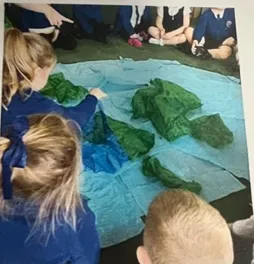
Here at Merton Bank, we access Maps in paper form, through Google Earth and create our own maps through drawings, model making and practical activities. We are very aware that on an average day, we will all consult maps dozens of times without even realising! We may: check the A-Z, the road atlas or the sat nav, scan the tube or bus map, conduct a Google online search, watch the weather forecast, plan a walk or a trip, catch up on the news, book a holiday or hotel.
The children at Merton Bank are becoming aware that Maps are everywhere and pepper books, brochures, advertisements, web pages, newspapers and magazine articles and we barely notice them because they do their job so well!
Our Big Question
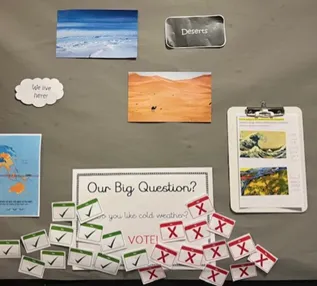
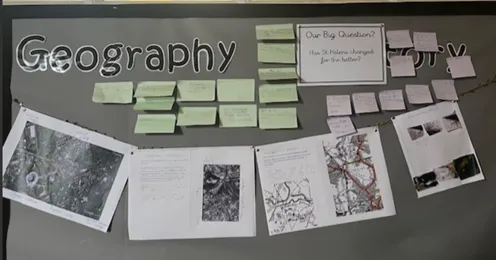
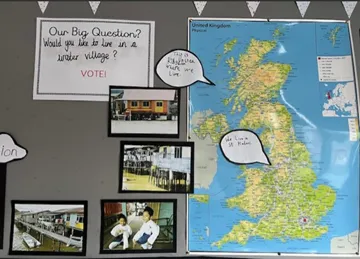
Within each classroom at Merton Bank, we have a ‘Our Big Question’! Each unit of History has a specific point of discussion surrounding a question on our topic. The children have to vote as to whether they ‘agree’ (YES) ‘disagree’ (NO) or are ‘unsure’ (I DON’T KNOW) about the question up for discussion which fuels so much debate, enthusiasm and chatter about their learning!


